
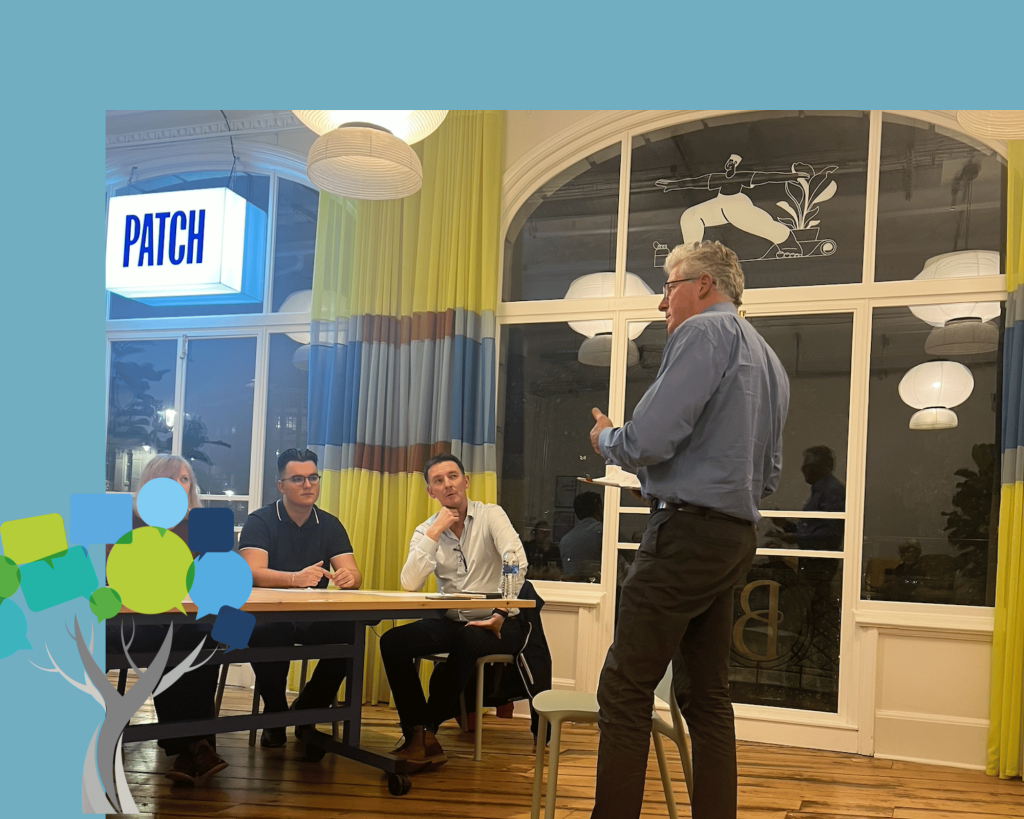
Speak Up, Stand Out: Why Confidence Starts Before Technique
For many people, public speaking feels intimidating long before they ever stand up to speak. The nerves, the self-doubt, and the fear of being judged often stop us before we even begin. That’s why real speaking confidence doesn’t start with perfect delivery or polished slides—it starts with how you think about speaking in the first place.
Speaking up isn’t just a communication skill. It’s a leadership skill, a business skill, and a life skill. When you use your voice, people notice you. They begin to trust you, remember you, and see you as someone with ideas worth hearing. Staying quiet may feel safer in the moment, but over time it can limit opportunities, visibility, and growth. Speaking—even imperfectly—creates momentum.
One of the biggest myths about public speaking is that confident speakers don’t feel fear. In reality, almost everyone feels nervous at some point. Fear isn’t a sign that something is wrong; it’s a sign that you care. The problem isn’t fear itself—it’s waiting for it to disappear before taking action. Confidence doesn’t come first. Action does.
When we stop trying to eliminate fear and instead learn how to work with it, everything changes. Nervousness becomes something to manage rather than something to avoid. Small steps, taken consistently in a supportive environment, are what build real confidence over time.
Another reason speaking feels hard is that many people don’t fully trust what they’re saying. When you’re unsure of your message, your mind focuses on how you’re being perceived instead of what you’re trying to communicate. That’s why clarity matters. Understanding your purpose, your perspective, and your story creates a strong foundation for speaking with ease.
You don’t need a dramatic story or years of experience to be worth listening to. Your perspective is valuable because it’s yours. When you believe in your message, speaking becomes less about performing and more about connecting.
Fear and excitement also have more in common than most people realise. They create similar physical sensations—racing heart, heightened focus, increased energy. The difference lies in how we interpret those sensations. With the right mindset and tools, nervous energy can be redirected into presence, clarity, and engagement. Instead of pulling you back, it can push you forward.
Growth happens just outside the comfort zone. That doesn’t mean throwing yourself into situations you’re not ready for—it means taking intentional, manageable steps that stretch you slightly beyond what feels familiar. Over time, what once felt frightening becomes normal.
Learning to speak with confidence is not about becoming someone else. It’s about becoming more of yourself. When you shift your mindset, reconnect with your purpose, and take small courageous actions, speaking stops being something to fear—and starts becoming a powerful way to stand out.
Category: Blog